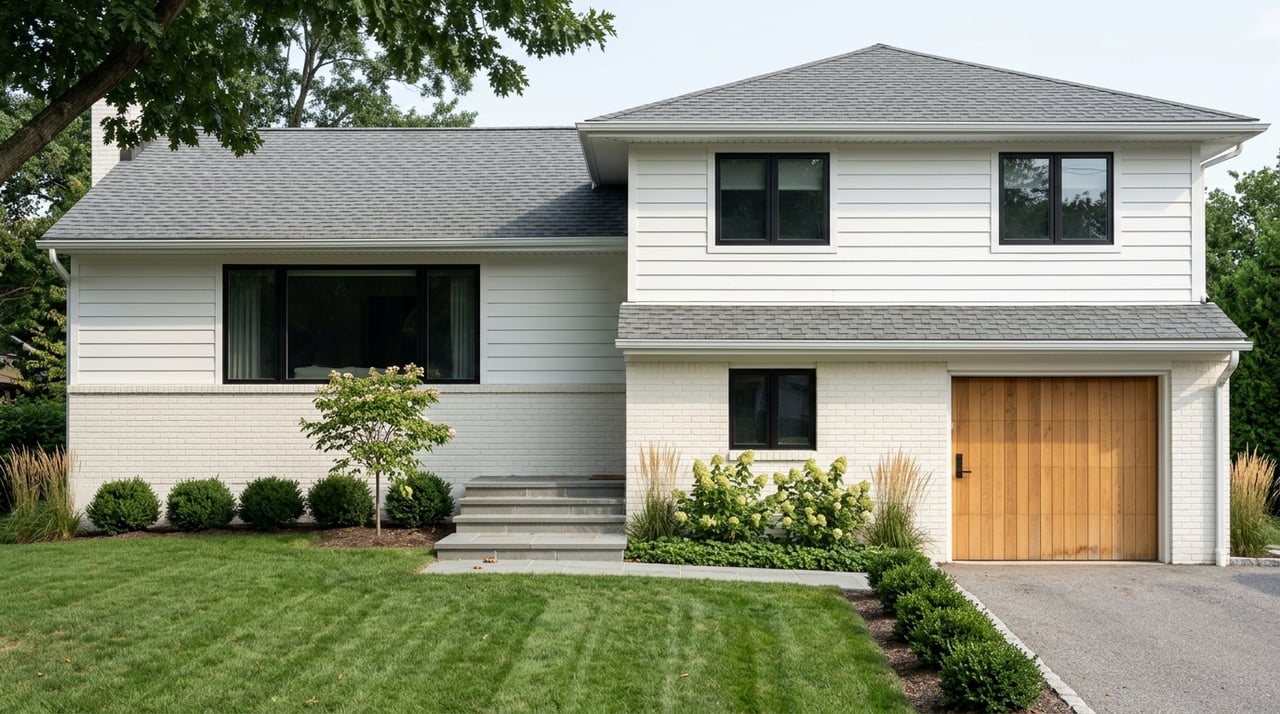
If Chatham home listings all start to blur together, you are not alone. One house is called a Colonial, another is a Cape, and a third says “expanded” without telling you what that really means for daily life, storage, or renovation options. Understanding the most common single-family home styles in Chatham can help you look past the listing label and see how a home may actually function for you. Let’s dive in.
Why Chatham Home Styles Matter
Chatham is a detached-home market, but the mix of homes varies between the borough and the township. Census Reporter profiles show that single-unit structures make up 85% of housing stock in Chatham Borough and 76% in Chatham Township, with owner occupancy at 83% and 84% respectively. Median owner-occupied values are also notably high, at about $984,900 in the borough and $1,072,600 in the township.
That housing mix helps explain why buyers often see a wide range of homes in Chatham. The borough has an older housing base, with many homes built in 1939 or earlier or during the 1940s. The township trends more mid-century, with much of its housing built from 1950 through 1989.
For you as a buyer, that means style names are only part of the story. A Colonial in the borough may offer classic symmetry and older details, while a split-level in the township may reflect postwar suburban design and a different layout altogether. The age of the house, how it has been updated, and where it sits all shape what the home feels like today.
Colonial Homes in Chatham
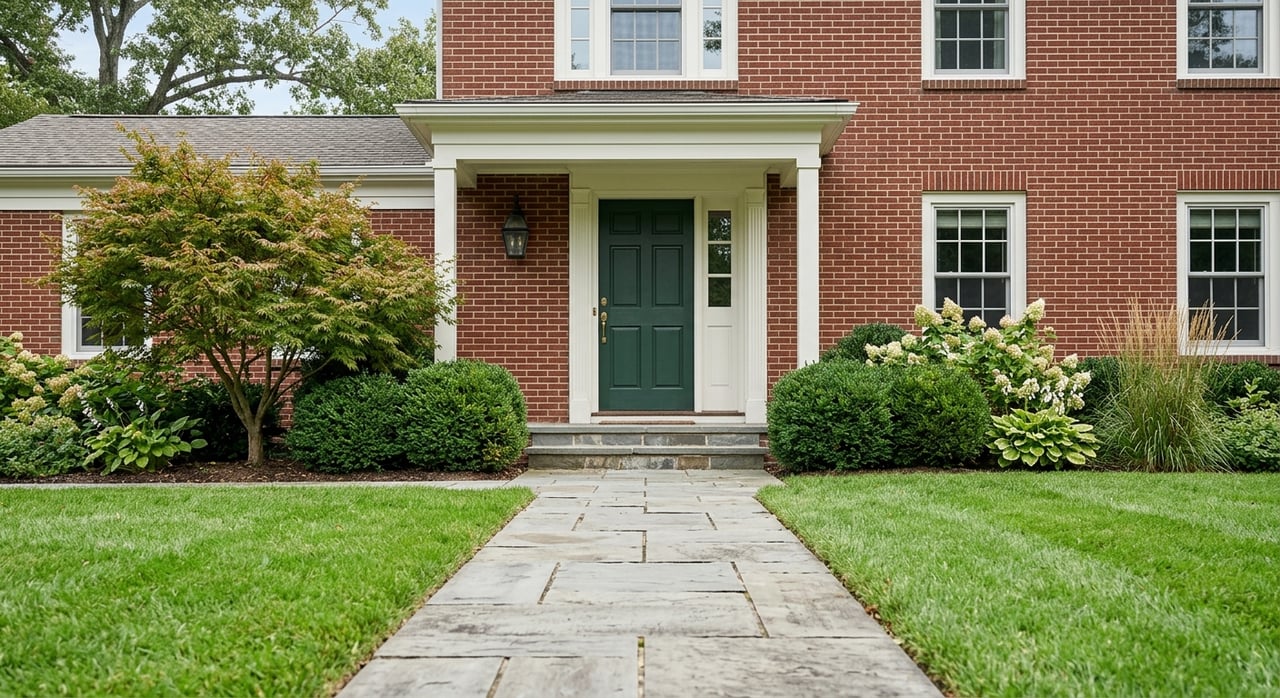
Colonials are one of the easiest styles to recognize in Chatham. In local listings, “Colonial” usually refers to a Colonial Revival form, often with balanced windows, a centered front door, and traditional entry details such as sidelights, columns, or pediments.
What a Colonial layout feels like
A typical Colonial often has a center-hall or central-entry layout. Formal rooms usually sit on either side of the entry, with bedrooms upstairs. That can create a more traditional floor plan than many buyers expect, especially when compared with newer open-concept homes.
If you want more casual everyday living space, pay attention to whether the home has been opened up or added onto. In many Chatham Colonials, the most useful extra room comes from a finished basement, attic, mudroom addition, or rear expansion.
What to check for storage
Storage can be a weak point in older Colonials. Original closets may be smaller than what many buyers want today. It helps to look for pantry built-ins, basement storage, attic access, or later updates that added better closet space.
What renovations are common
Colonials often have strong upgrade potential. In Chatham, common improvements include opening the kitchen toward a family room, building a rear bump-out, adding a mudroom, or finishing the basement. If the property is in Chatham Borough’s Main Street Historic District, exterior changes may be subject to review by the Historic Preservation Commission.
Cape Cod Homes in Chatham
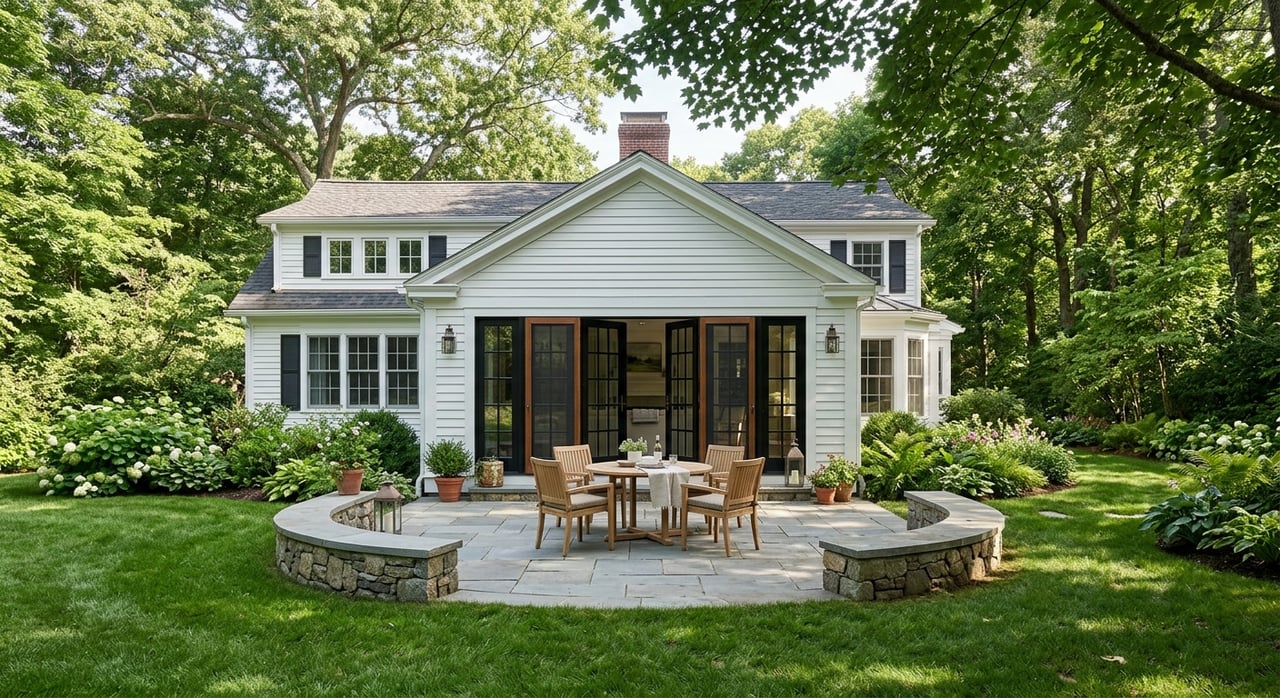
Cape homes are usually compact, practical, and full of potential. They are often one or one-and-a-half stories with side gables and, in many cases, dormers that help expand the upper level.
What a Cape layout feels like
A classic Cape usually has a modest main level with rooms arranged off the entry. Bedrooms or bonus rooms are often tucked into the upper half-story. That layout can feel efficient, but it may also mean lower ceiling lines upstairs and a tighter footprint overall.
For some buyers, that is part of the appeal. A Cape can offer charm and a manageable layout, especially if it has already been expanded or updated.
What to check for storage
Storage in a Cape is often creative rather than abundant. Knee-wall storage, attic access, and basement utility space can make a big difference. If dormers have been added, they may improve both headroom and usable storage upstairs.
What renovations are common
Capes often offer very good expansion potential if the lot allows it. In Chatham, buyers commonly see rear additions, added dormers, attic conversions, or second-story expansions that keep the front of the house recognizable while improving function inside.
Split-Level Homes in Chatham
Split-level homes are especially important to understand in Chatham Township, where the housing stock leans more heavily toward the mid-century years. This is less about decorative style and more about how the house is organized.
What a split-level layout feels like
A split-level typically has staggered floors rather than full levels stacked directly on top of each other. You may enter near the main living, dining, and kitchen spaces, with bedrooms a half-flight up and a lower level that could include a garage, recreation room, or extra living area.
That separation can work well if you want different zones for sleeping, gathering, working, or hosting guests. It is a very different flow from a Colonial or Cape, so it helps to think about how you move through a home day to day.
What to check for storage
Split-levels often use the lower level and garage more effectively than older Capes. Still, the details matter. You will want to check whether the lower level is dry, comfortable, and truly usable, especially if it is finished or being counted as flexible living space.
What renovations are common
Most split-level updates focus on improving flow. Buyers often look for opened kitchens, finished lower levels, and better garage or mudroom entries. In this style, stair count, lower-level ceiling height, and natural light can make a big difference in how modern the home feels.
What “Expanded” Really Means
In Chatham, “expanded” is not really a home style. It is better thought of as a condition label that tells you the original house has been enlarged, reworked, or both.
An expanded home might have started as a Colonial, Cape, or split-level. Over time, it may have gained a rear addition, a larger kitchen, a new primary suite, or a finished lower level that changes the way the house lives.
How to judge an expanded home
The main question is whether the addition feels integrated. A well-planned renovation can give you the open kitchen, family room, storage, and private bedroom suite many buyers want today while preserving the original street-facing character of the house.
On the other hand, some expansions feel disconnected from the original layout. As you tour, look at rooflines, room-to-room flow, and whether one section of the house feels noticeably newer or less connected.
Why expansions matter in Chatham
Expansions are especially relevant in Chatham because land supply is limited, particularly in the township. Rather than building on vacant lots, many homeowners improve the houses they already have. In the borough, exterior work in the historic district may involve additional review steps.
How to Read Chatham Listings Better
Once you know the common patterns, listing photos and descriptions become much easier to decode. You can often tell more from the exterior shape and layout clues than from the marketing language itself.
Look for these visual clues
- Symmetry and a centered front door often point to a Colonial or Colonial Revival home.
- A low roofline, dormers, and a compact footprint often point to a Cape.
- Short stair runs or a garage tucked under part of the house often point to a split-level.
- A rear wing, mismatched rooflines, or newer windows on one section only may point to an expanded or renovated home.
Watch the listing language
If a listing says expanded, updated, renovated, or customized, treat that as a description of condition rather than style. The original structure may still be a Colonial, Cape, or split-level underneath. That distinction matters because the original style often still shapes the flow, storage, and renovation logic of the house.
What Buyers Should Check Before Falling in Love
In Chatham, style is only one piece of the decision. The more useful question is how realistic your future plans are for that specific property.
Before you assume a home can be expanded again or easily reworked, it makes sense to confirm:
- Permit history
- Zoning limits
- Setback rules
- Lot coverage limits
- Basement moisture conditions
- Egress for lower-level living areas
- Whether visible exterior work may require borough historic review
This is especially important in a market where many buyers want updated kitchens, larger family spaces, better mudrooms, or more private bedroom suites. In Chatham, the real question is often not whether a home can be improved, but which improvements are realistic for that lot and municipality.
Matching the Style to Your Priorities
The best Chatham home style for you depends on how you live. If you love classic curb appeal and traditional layouts, a Colonial may be a strong fit. If you want charm and are open to future expansion, a Cape may offer a good opportunity.
If you prefer separated living zones and a more mid-century layout, a split-level may work well. And if you want a home that already blends older character with newer function, an expanded renovation may check the most boxes.
The key is knowing what you are really looking at. When you understand the style underneath the listing language, you can compare homes more confidently and focus on the ones that truly fit your next chapter.
If you are trying to make sense of Chatham listings and want help spotting the difference between original charm, smart updates, and real renovation potential, Meghan Mullin can help you navigate the market with local insight and practical guidance.
FAQs
What are the most common single-family home styles in Chatham NJ?
- Buyers in Chatham commonly see Colonials, Cape Cod homes, split-levels, and expanded or renovated versions of those original house types.
How are Chatham Borough homes different from Chatham Township homes?
- Chatham Borough generally has an older housing stock, while Chatham Township has more mid-century homes, including many houses built from the 1950s through the 1980s.
What does “expanded” mean in a Chatham NJ home listing?
- In Chatham listings, “expanded” usually means the original home was enlarged or reconfigured with additions or renovations, rather than referring to a separate architectural style.
Are Colonial homes in Chatham usually open concept?
- Many original Colonials in Chatham have more traditional room layouts, though some have been updated with opened kitchens, additions, or finished lower levels.
What should buyers check before renovating a home in Chatham NJ?
- Buyers should confirm permit history, zoning and setback limits, lot coverage rules, basement conditions, egress, and whether exterior changes may require review in the borough historic district.