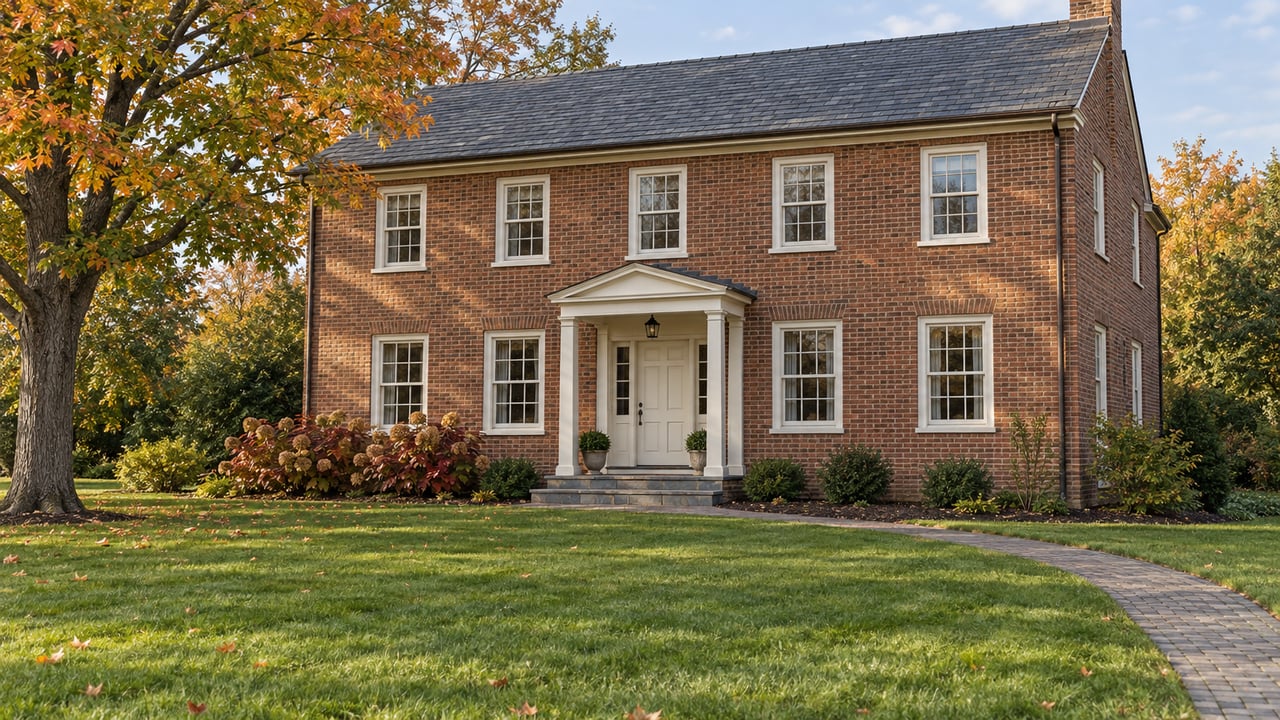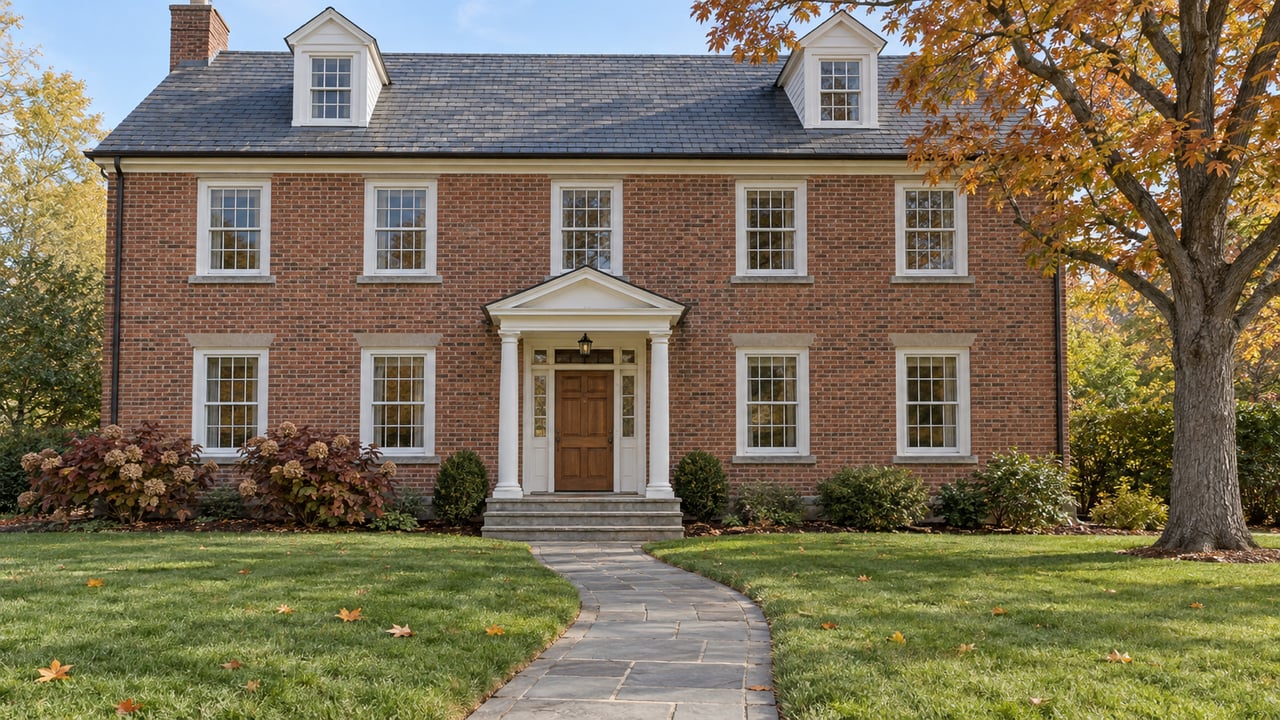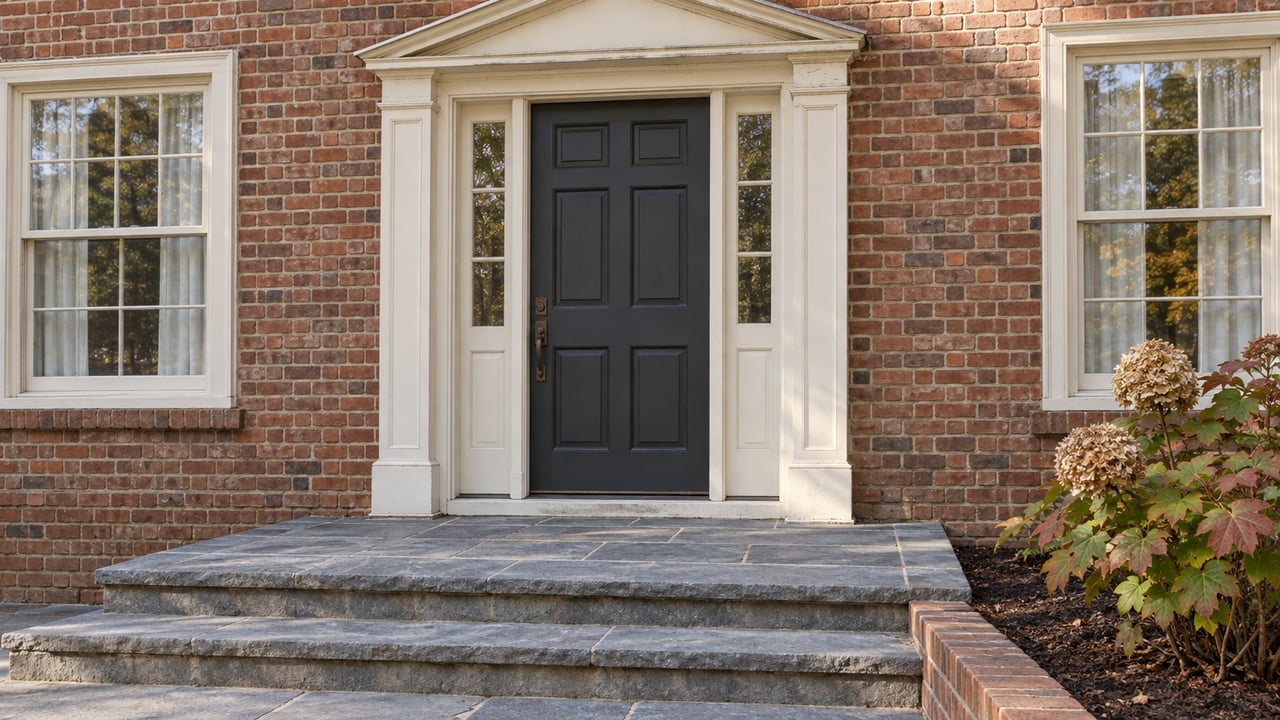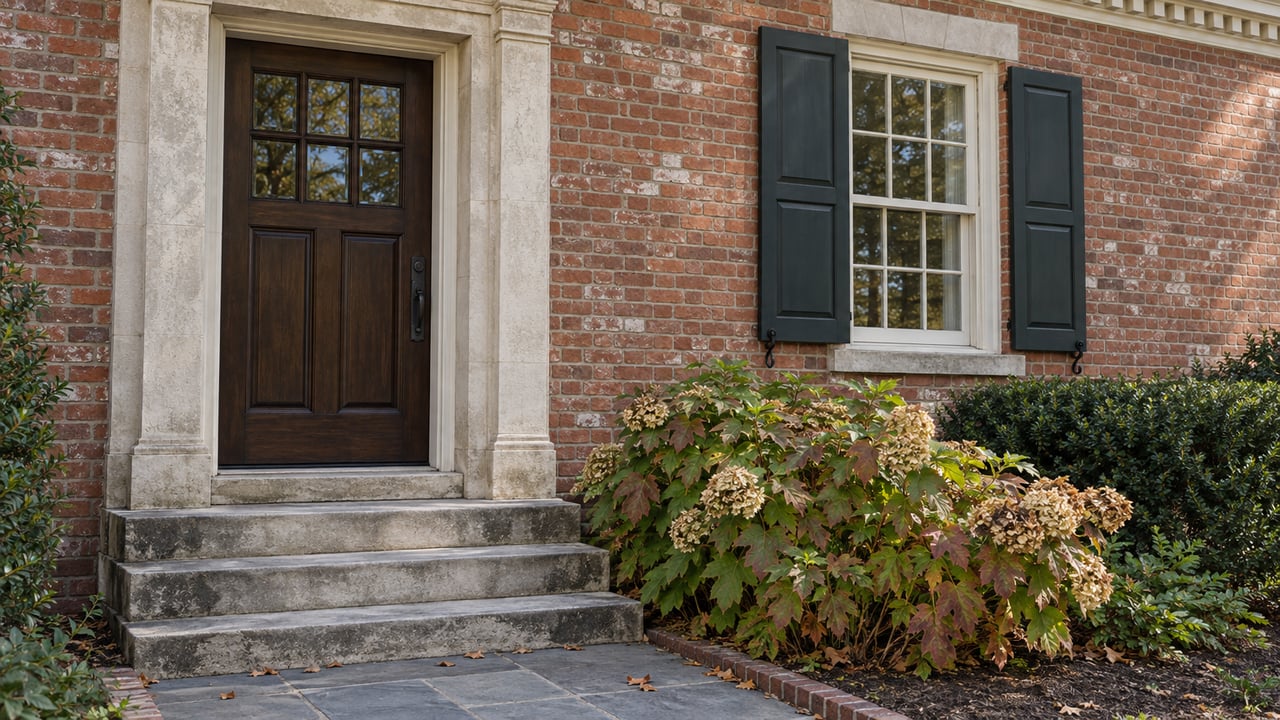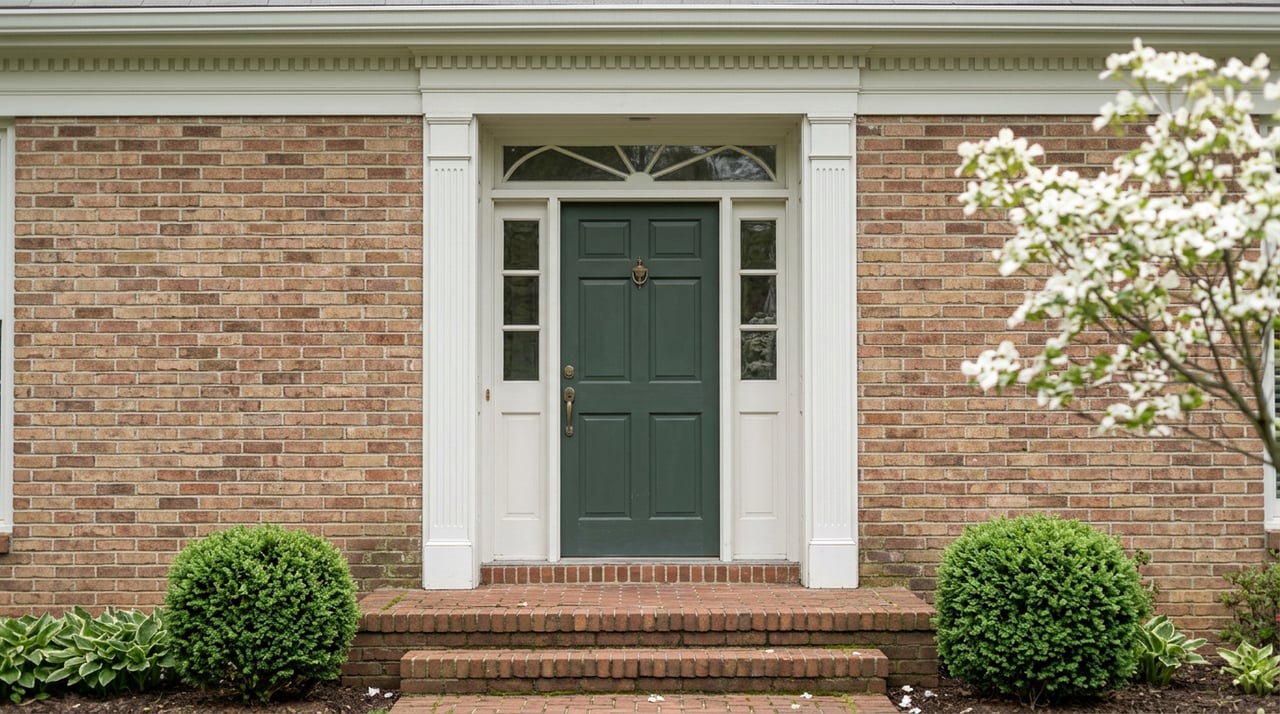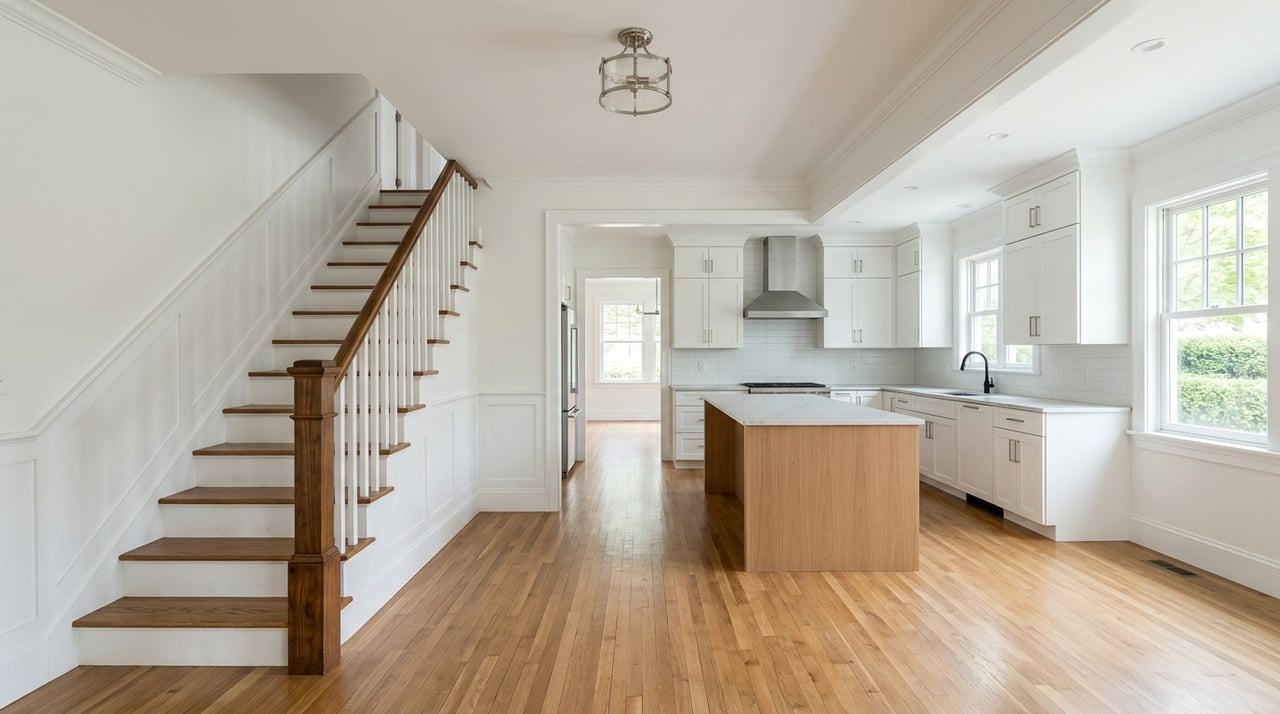
Wondering whether a historic home or a newer home is the better fit in Madison, NJ? It is a smart question, especially in a town where older homes shape much of the streetscape and true new construction is relatively limited. If you are trying to balance charm, upkeep, layout, and long-term value, this guide will help you compare the tradeoffs with more confidence. Let’s dive in.
Madison housing stock matters
Madison is not a market where you will find endless brand-new inventory. In 2023, the borough had 5,721 housing units, and only 10.0% were built in 2010 or later. Just 0.5% were built in 2020 or later, which helps explain why many homes that feel "newer" in Madison are actually renovated older homes or houses built in the mid-to-late 20th century.
That age mix gives Madison a very specific feel. About 24.1% of homes were built in 1939 or earlier, 19.8% in the 1950s, and 14.9% in the 1960s. Detached single-family homes make up 62.8% of the housing stock, and 66.0% of homes have three or more bedrooms, which supports Madison’s appeal for buyers looking for traditional suburban single-family living.
Madison is also a premium market. The 2023 median owner-occupied home value was $882,900, up 23.9% from 2018. For buyers, that means the choice between historic and newer homes is not just about style. It is also about how you want to spend your budget on character, condition, efficiency, and future updates.
What makes a home historic
Madison’s history goes back to Bottle Hill in the 18th century, and that long timeline shows up clearly in the local housing stock. The Bottle Hill Historic District is described by the borough as the earliest and best-preserved concentrated residential settlement in Madison. Instead of one single look, the district includes a wide range of architectural styles built over time.
You may see mid-18th-century East Jersey Cottages, 19th-century Romantic Revival, Second Empire, Stick Style, and Queen Anne homes, along with early-20th-century Craftsman, Tudor Revival, and Colonial Revival examples. In practical terms, buying historic in Madison can mean very different floor plans, materials, and renovation needs depending on the home’s era.
Historic homes also tend to have more traditional layouts and smaller original room sizes. The borough’s design guidelines describe East Jersey Cottages as typically one-and-a-half stories with clapboard siding, a gable roof, and frieze or knee-wall windows. Later homes in the historic district reflect the evolution from early single-family houses to Victorian suburban villas and practical suburban houses.
What newer homes usually mean
In Madison, “newer” does not always mean newly built. Since only a small share of homes were built in 2010 or later, many buyers use the term to describe homes from the mid-century period, later suburban builds, or older homes that have been extensively updated. That is an important distinction when you start your search.
A newer-feeling home in Madison may offer a more conventional suburban layout. Compared with older cottage-style homes, later housing more often reflects the town’s suburban growth, including more typical garage-oriented layouts and room arrangements that many buyers expect today. If you want more open circulation, a family room off the kitchen, or more straightforward everyday function, this category may be worth a close look.
That said, it helps to ask what is actually newer. Is the house itself newer, or has an older house simply been renovated? The answer can affect maintenance expectations, utility costs, and what systems may need attention over time.
Historic home advantages
Historic homes in Madison often attract buyers who value architectural character and a strong sense of place. Original exterior details, classic proportions, and a location in Madison’s older core can create a feel that is hard to replicate in a newer property. For many buyers, that charm is a major part of the appeal.
Historic homes can also offer a connection to the borough’s layered development. Madison did not grow with one uniform housing style, so older homes often reflect different periods of the town’s evolution. If you appreciate that variety, a historic home may feel more distinctive and memorable.
There is also a lifestyle element. Some buyers are willing to trade a more modern layout for craftsmanship, curb appeal, and the experience of owning a home with a visible place in Madison’s story.
Historic home tradeoffs
The biggest tradeoff is usually maintenance. Older homes can be very livable, but many need more attention to insulation and air sealing than homes built to current standards. If a home has not been substantially upgraded, you may notice draftiness, uneven temperatures, or higher operating costs.
Lead paint is another practical issue to keep in mind. Homes built before 1978 are more likely to contain lead-based paint, and renovation work that disturbs painted surfaces can create lead dust. Since about two-thirds of Madison’s housing stock dates to 1969 or earlier, this is not a small issue in the local market.
Historic review can also affect your renovation plans. Buildings in Madison’s historic districts are listed on the State and National Registers of Historic Places, and exterior changes require a Certificate of Historic Review. The borough says Historic Preservation Commission review is mandatory, so buyers should understand that exterior projects may involve an added layer of process.
Newer home advantages
Newer homes usually have an edge on energy performance. New Jersey’s current residential energy subcode is the 2021 IECC, and homes built to more recent standards are more likely to benefit from stronger insulation, better air sealing, and higher-performance windows. That often translates to better comfort and lower utility costs.
A newer home can also mean fewer immediate projects. If the roof, windows, mechanical systems, or major finishes are more recent, you may spend less time and money on near-term repairs. For busy buyers, that lower-maintenance start can be a major advantage.
Layout is another reason buyers lean newer. Later suburban homes often offer room arrangements that fit modern daily routines more easily, especially if you want larger common areas, attached garages, or more flexible living space.
Newer home tradeoffs
The main drawback is availability. Since true new construction is limited in Madison, you may have fewer options if you are focused only on recently built homes. In many cases, you will be comparing a later suburban home or a renovated older home rather than a brand-new build.
You may also pay a premium for homes that check the "move-in ready" box. In a market with limited newer inventory and strong demand for updated single-family homes, turnkey condition can be very competitive.
It is also important not to assume that a newer-looking home is free of future work. Even if a house has updated finishes, you still want to understand the age and condition of systems, the scope of past renovations, and whether major improvements were properly permitted.
Permits and reviews in Madison
Whether you buy historic or newer, local process matters. Madison’s Building Department enforces New Jersey’s Uniform Construction Code, so additions, major remodels, and system upgrades should be planned with the permit process in mind. That applies to more than just large projects.
If the home is in a historic district, there may be an added review layer for exterior changes. Madison’s historic inventory includes roughly 110 sites on the zoning map. Before you plan a new addition, replacement windows, or other visible exterior work, it is worth confirming whether the property falls within that review framework.
How to compare homes wisely
In Madison, many buyers are not really choosing between a brand-new house and a century-old one. More often, you are comparing a historic property, a later suburban home, and a renovated older home. That makes side-by-side evaluation especially important.
Here are a few smart questions to ask as you compare options:
- How old is the home itself, and how much has been updated?
- What do the utility bills suggest about efficiency?
- Have insulation, windows, or air sealing been improved?
- Are the roof, HVAC, plumbing, and electrical systems newer or nearing replacement?
- Is the home in a historic district with exterior review requirements?
- Were past renovations and additions completed through the local permit process?
For older homes, an energy audit can help identify where air sealing and insulation upgrades may make the biggest difference. ENERGY STAR says sealing air leaks and adding insulation can save up to 10% on annual energy bills. That kind of information can help you budget more realistically.
Which home type fits you best
A historic home may be the better fit if you value character, architectural detail, and a home that feels tied to Madison’s older core. You may be comfortable taking on maintenance, planning thoughtful updates, and working within local review requirements for exterior changes.
A newer home, or a home that lives newer, may be the better fit if you prioritize efficiency, lower near-term upkeep, and a more contemporary everyday layout. That path can be especially appealing if you want fewer early projects after closing.
For many Madison buyers, the best answer sits somewhere in the middle. A well-renovated older home can offer the charm of Madison’s established housing stock with some of the comfort and function buyers want today.
If you are weighing historic versus newer homes in Madison, the right choice usually comes down to your budget, your tolerance for projects, and how you want to live day to day. Working through those tradeoffs with someone who understands Madison block by block can make the process much clearer. When you are ready to explore your options, connect with Meghan Mullin for thoughtful, neighborhood-level guidance.
FAQs
What is considered a historic home in Madison, NJ?
- In Madison, a historic home often refers to a property within the Bottle Hill Historic District or another site included in the borough’s historic inventory, where exterior changes may require a Certificate of Historic Review.
Are there many newly built homes in Madison, NJ?
- No. Only 10.0% of Madison homes were built in 2010 or later, so true new construction is relatively limited.
Do older Madison homes cost more to maintain?
- They can. Older homes often need more attention to insulation, air sealing, and ongoing upkeep, especially if they have not been substantially upgraded.
Do historic homes in Madison have renovation rules?
- Yes. Exterior changes to buildings in Madison’s historic districts require a Certificate of Historic Review, and Historic Preservation Commission review is mandatory.
Are newer homes in Madison more energy efficient?
- In general, yes. Homes built to more recent energy code standards are more likely to have stronger insulation, better air sealing, and higher-performance windows.
What should buyers compare when choosing between historic and newer homes in Madison?
- Buyers should compare layout, condition, renovation history, utility costs, system age, historic district status, and whether major work was completed through the local permit process.