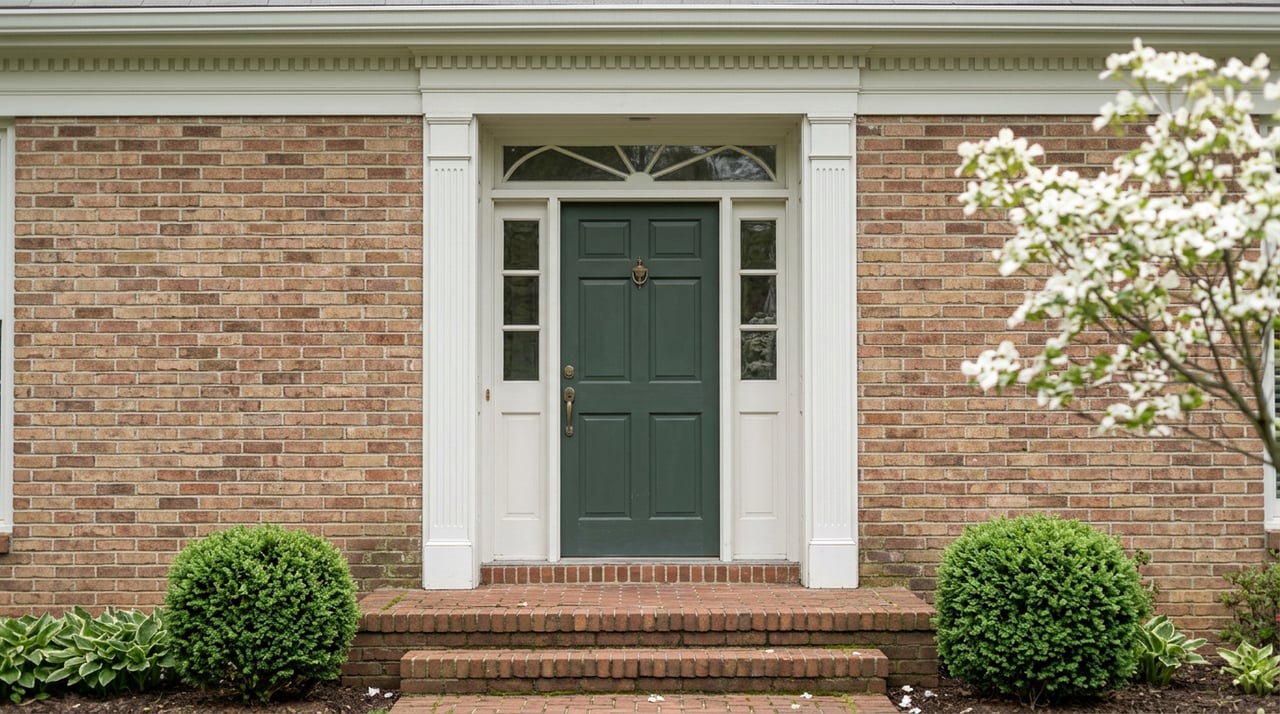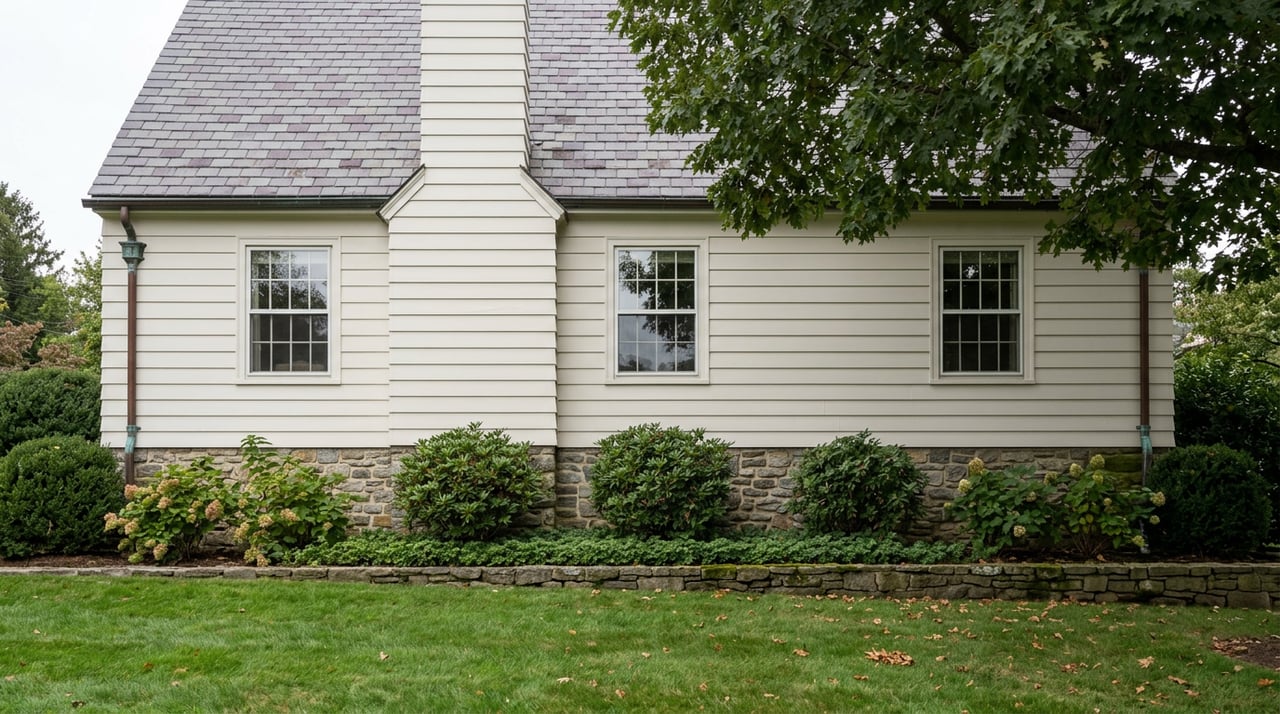
Picture a Tudor on one of Summit's older, tree-lined blocks. Fifteen years of updates inside, original bones intact. The buyer's inspector is walking the yard near the driveway when he stops at a small round cap poking through the grass, unrelated to any sprinkler line, right where a fuel truck would have once idled decades ago. That single detail changes the shape of the transaction more than anything found inside the house.
This scenario plays out often enough in towns like Summit that local inspectors have started building it into their standard process rather than treating it as a surprise. The real story here is not whether an old fill pipe means trouble. It's that finding one at the wrong moment in a New Jersey purchase contract can strand a deal between two deadlines that were never designed to talk to each other.
Why Summit's older housing stock raises this question more than most
New Jersey has one of the highest concentrations of residential underground oil tanks in the country, and most of them went into the ground between the 1930s and the 1970s, back when oil heat was the regional standard before natural gas took over. Summit's housing stock, heavy on Colonial and Tudor-style homes built in that same window, sits squarely inside that risk band. A home converting from oil to gas decades ago often kept the tank buried and forgotten rather than paying to dig it out, and a fill pipe or vent stack left in the yard counts as evidence a tank may still be down there even if the current owner has never once used oil heat.
That is why a Summit-based inspector like Tyler Merson has folded a tank sweep into his standard offering rather than treating it as a specialty add-on. He runs it the same day as the general home inspection at no extra charge when a client asks, using a contractor with ground-penetrating radar. He also recommends a separate sewer scope for any Summit home built before 2000 or with mature trees in the front yard, since roots and old clay pipe are a familiar pairing on these streets. None of that shows up in a standard inspection report. It shows up because someone who works this town every week has learned what its older homes tend to hide.
What a sweep actually checks and how fast it moves
A tank sweep is quick. A licensed contractor walks the property with metal-detection equipment and ground-penetrating radar, checking near the foundation, the driveway, and any spot where a fill or vent pipe might once have connected to the house. The scan itself typically takes one to two hours and costs a few hundred dollars, a small line item compared to what happens if it finds something.
Most of the time, a metallic reading turns out to be a fence post, a manhole cover, or a stray piece of construction debris rather than a tank. When it is a tank, the timeline changes entirely.
The clock nobody writes into the contract
Here is the part that catches people off guard. A New Jersey purchase contract typically runs on a short fuse: an attorney review period, then an inspection contingency window that often closes within a week or two of contract signing. The sweep itself fits easily inside that window. What doesn't fit is everything that follows if the sweep confirms a tank.
Once a tank is confirmed, a licensed NJDEP-certified contractor has to pull a removal permit from the municipality, complete the excavation with a state-certified closure professional on site, and submit documentation to close out the permit before a Certificate of Approval gets issued. That full process typically runs two to four weeks, sometimes longer if soil testing comes back with anything to explain. A typical closing timeline in Summit was never built to absorb an extra month of environmental paperwork tucked inside it.
When a tank turns up mid-contract, the parties are generally left choosing from three paths:
- Push the closing date back to give the removal and closure process room to finish before the deed changes hands.
- Close on schedule with money held in escrow, tied to a signed agreement covering the removal and any remediation the soil testing turns up.
- The seller absorbs the delay entirely, pulling the home off the calendar until the tank is out and the paperwork is clean, then relisting once the issue no longer sits over the deal.
None of those options is disastrous on its own. What makes them painful is discovering which one you're in with ten days left before closing rather than ten weeks.
Why the seller who goes first keeps the leverage
Once a seller knows about a tank, or knows enough to suspect one from a fill pipe or an old furnace conversion, New Jersey law requires that information to appear on the Seller's Property Condition Disclosure Statement for every buyer who comes after. Ignoring it doesn't make the obligation disappear. It just moves the deadline to whenever the next inspector finds the same fill pipe.
A seller who commissions the sweep before listing controls the calendar instead of reacting to someone else's. Above-ground tank removal generally runs $1,500 to $2,500. Underground removal runs $2,000 to $4,500, and if the soil testing turns up contamination, remediation can add another $3,000 to $15,000 or more depending on how far it spread. Handled ahead of listing, that cost comes with a chosen contractor, a chosen timeline, and a documented Certificate of Approval to hand a buyer as proof the issue is closed. Handled mid-contract, the same cost arrives with a nervous buyer's attorney reading the closure report over the seller's shoulder and a closing date already circled on a calendar.
The paperwork trail matters as much as the removal itself. A tank pulled out with no permit, no closure professional, and no soil report on file reads to a lender as an open question, not a solved one.
The lender wrinkle that surprises people
Even when a buyer and seller agree on a price credit and want to move forward, the mortgage can stall independently of what the humans in the deal have decided. Many lenders will not fund a loan on a property with a known, unresolved underground tank, full stop, regardless of what concession the seller has offered. That means the tank has to be out and the soil tested clean before the loan closes, not merely accounted for in a spreadsheet. A buyer waiving the tank issue for a lower price doesn't necessarily get them to a closing table any faster if the bank funding the purchase has its own list of requirements.
What this means if you're buying or selling an older Summit home right now
If you're a buyer looking at anything built before 1980 in Summit, ask about a tank sweep the same day you schedule the general home inspection rather than waiting to see if something looks suspicious first. The bundled, same-day approach several local inspectors already offer buys back the days a standalone sweep would otherwise cost you inside a tight contingency window.
If you're preparing to sell an older home, get the sweep done before the listing goes live, not after an offer arrives. A clean scan becomes documentation you can hand every buyer who tours the house. A tank that needs removal becomes a project you run on your own schedule, with your own contractor, months before anyone else's closing date depends on the outcome.
Frequently Asked Questions
Does every older home in Summit have a buried oil tank? No. Plenty of homes with oil heating history had their tanks properly removed years or decades ago. The only way to know for certain, rather than guess from the age of the house, is a sweep.
Is a tank sweep legally required in New Jersey? No. It is not mandated by state law, but it is strongly recommended for any home with oil heat in its history, and most real estate attorneys treat it as a standard contingency item on older properties.
What if the seller says the tank was already removed? Ask for the paperwork rather than taking the word for it. A properly closed tank comes with a removal permit, a disposal record, and a closure report or Certificate of Approval from the municipality. Without that documentation, a lender may treat the situation as unresolved no matter what the seller remembers.
Older Summit homes carry character that newer construction can't replicate, and most of them carry no tank problem at all. But when one does surface, the difference between a manageable footnote and a stalled closing usually comes down to who found it first and how much runway they had left. If you're weighing an offer on a pre-1980 Summit property, or getting one ready to list, Best Jersey Burbs can walk you through exactly where this fits on your timeline. Schedule your free consultation before you write the contract, not after.