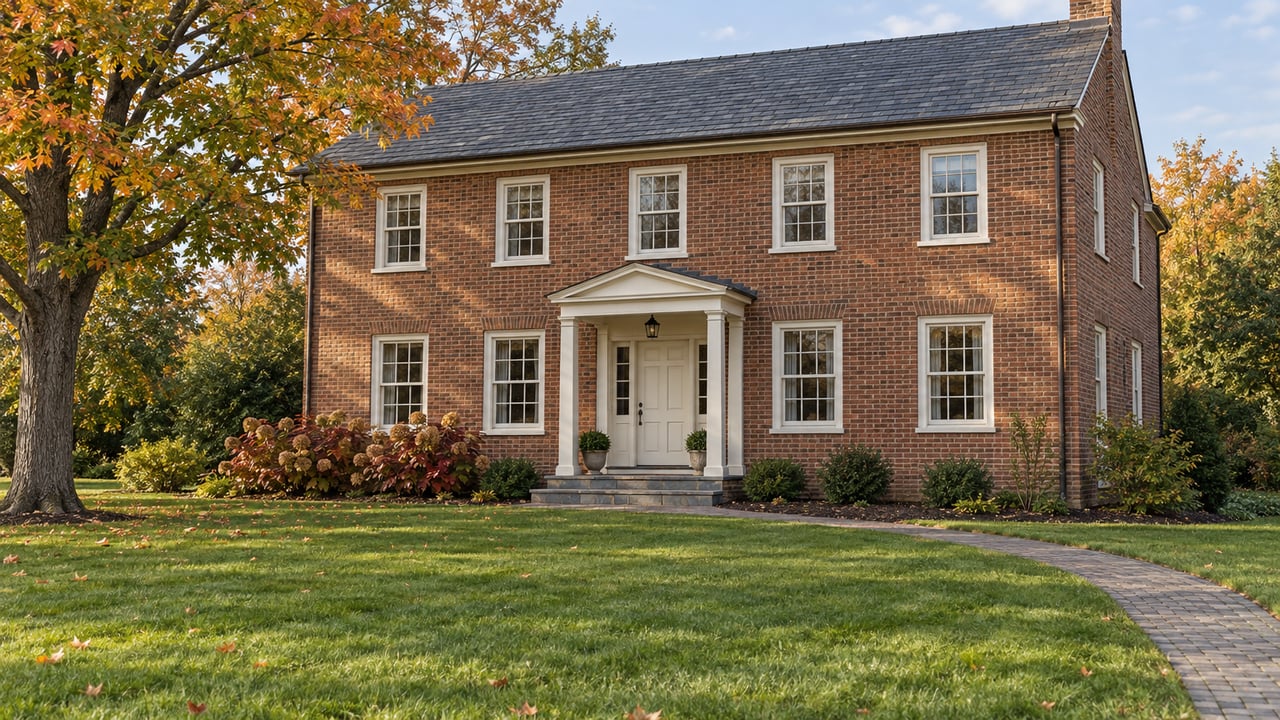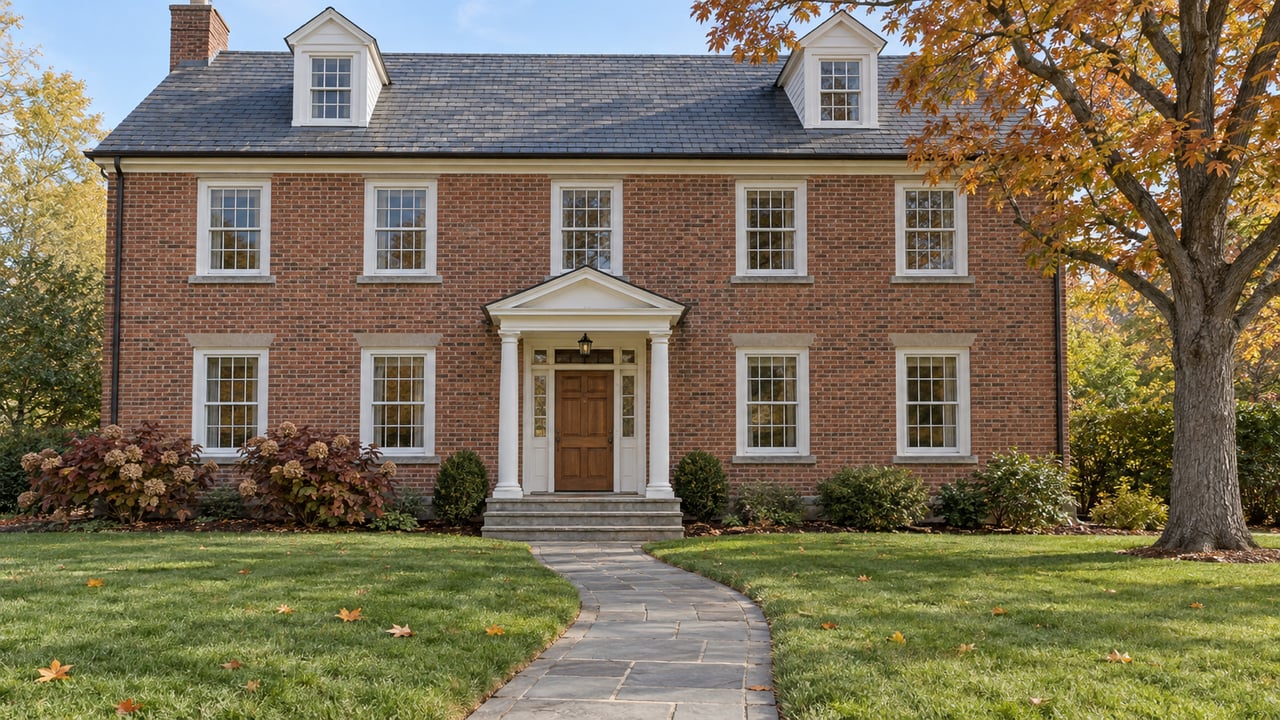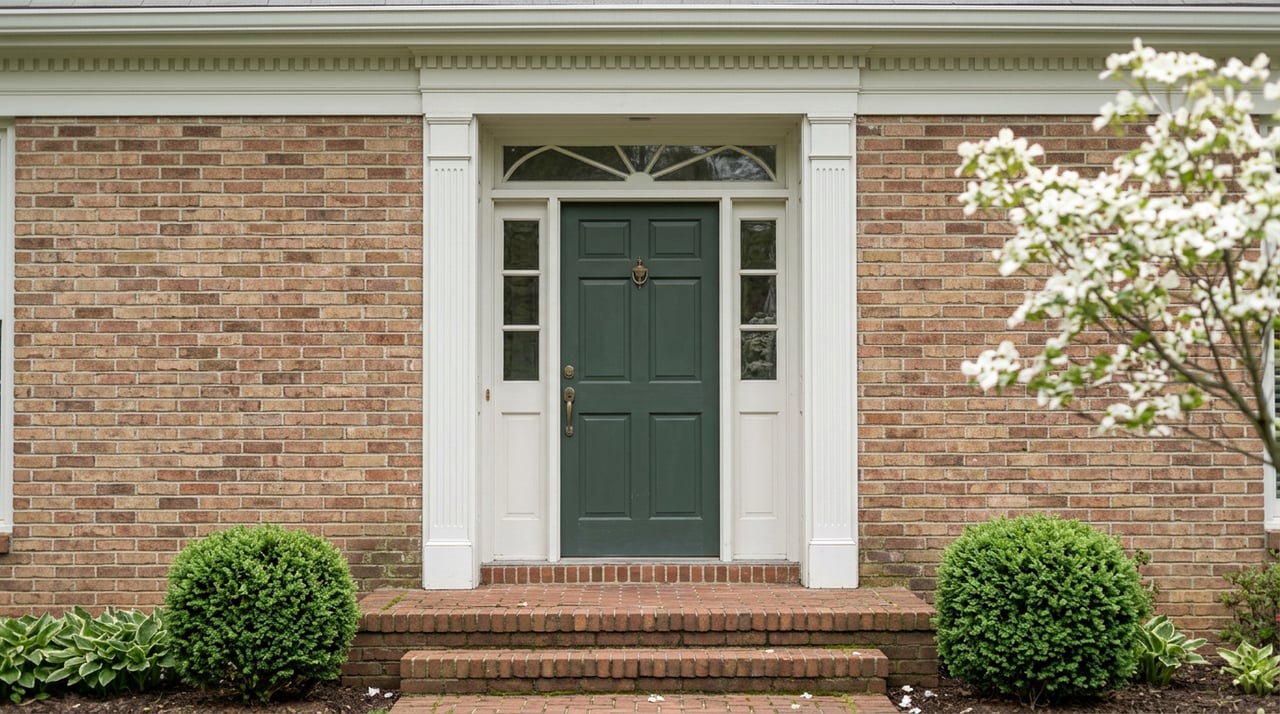
As JerseyDigs reported, an 18th-century home on Woodland Road sat empty for months. The owners considered seeking historic landmark status for it, but ultimately did not.
The home sold to Steve McCann of Historic Homes by McCann, a developer whose plans for the property included demolition. A local historian organized a petition. Madison's mayor, Richard Conley, issued a statement saying the borough had worked with McCann to try to save the home, but that the construction official had determined the structure was unsound.
That story is the clearest illustration of a rule most Madison homeowners never read closely enough to understand. The borough's Historic Preservation Commission has real authority over some homes and almost none over others, and the line between those two states isn't where most people assume it is.
The Rule That Sounds Stricter Than It Is
If your home sits inside the Bottle Hill Historic District along Ridgedale Avenue, or within the Madison Civic and Commercial Historic District downtown, any exterior change triggers a mandatory review by the Historic Preservation Commission. New siding, a repainted trim color, a rebuilt porch: all of it goes in front of the commission first.
What surprises most owners is what happens after that review. Madison's own preservation summary spells out the mechanism directly: the review with the HPC is mandatory, but the owner's compliance with the HPC's recommendations arising from that review is voluntary. The commission gets a seat at the table before you start. It does not get a veto.
That's a meaningfully different arrangement than what many sellers picture when they hear "historic district." It isn't a design tribunal that can block your window replacement. It's a required conversation, with an outcome you're free to ignore.
Two Districts, and a Much Longer Watch List
The two formal districts aren't the whole story. Madison's zoning map flags roughly 110 additional individual sites around town, scattered outside the Bottle Hill and Civic/Commercial boundaries, that get referred to the HPC whenever a development application touches them. But that referral carries a different weight entirely.
| Category | What triggers HPC involvement | Is the outcome binding? |
|---|---|---|
| Bottle Hill Historic District (Ridgedale Ave corridor) | Any exterior change to the property | No, advisory, unless the change follows a demolition |
| Madison Civic and Commercial Historic District (downtown) | Any exterior change to the property | No, advisory, unless the change follows a demolition |
| Roughly 110 individually flagged sites on the zoning map | A Planning Board or Zoning Board development application | No, advisory only, not binding on either board |
| A demolition permit filed within either historic district | Application for a demolition permit | Yes, the HPC's conditions on the replacement construction are binding |
That last row is the one sellers and buyers tend to miss entirely, and it's the row that changes everything.
Where the Rule Grows Teeth
Ordinary maintenance and renovation inside Madison's historic districts get the advisory treatment described above. Demolition doesn't. Once an application for a demolition permit is filed on a property inside a historic district, the commission is required to issue a Certificate of Historic Review, and it's allowed to place conditions on whatever gets built in that spot afterward. Those conditions are binding on the applicant.
In practical terms: an owner who wants to swap out windows or add a dormer on a historic-district home faces a conversation, not a wall. An owner or developer who wants to tear the house down and start over faces something closer to a design contract they don't get to walk away from.
This is exactly the gap the Wingate House fell into, just from the other direction. Compare that to the Sayre House at 31 Ridgedale Avenue, built around 1745 and individually listed on the National Register, or the five other Ridgedale Avenue homes that carry landmark protection as part of the Bottle Hill Historic District. Those properties have the binding-on-demolition backstop built in. The Wingate House owners had considered landmark status but ultimately did not.
What This Actually Means If You Own or Are Buying an Older Madison Home
If your home is inside Bottle Hill or the Civic/Commercial district and you're planning a renovation: budget time for the Certificate of Historic Review, but don't assume the commission can stop you. Madison's code requires the Historic Preservation Commission to hold at least ten meetings a year and provides that four members constitute a quorum, so scheduling around their calendar, not showing up and hoping for a same-week answer, is the realistic move.
If your home is one of the roughly 110 individually flagged sites outside the two formal districts: a development or zoning application will get referred to the HPC for comment, but that comment is advice to the Planning or Zoning Board, not a decision the board has to follow. Know that going in so a nonbinding recommendation doesn't read as a denial.
If you're buying an older Madison property with teardown or major-rebuild plans: the moment you file for a demolition permit inside a historic district, the flexible advisory system flips into a binding one. Build that design-review timeline into your due diligence and your construction budget before you're under contract, not after.
If you own a historic-eligible home and are weighing whether to seek formal landmark status before you sell: the Wingate House owners considered seeking historic landmark status but ultimately did not. Whether to seek status before a sale is worth weighing carefully.
A Few Questions Worth Asking Before You List or Buy
Does being inside a historic district lower what a Madison home can sell for? Nothing in the borough's own preservation framework suggests that. The review process governs exterior changes, not sale price, and homes along Ridgedale Avenue and in the downtown historic core routinely trade as some of Madison's most sought-after character properties.
Can I repaint my house or replace windows without going through the HPC if I'm inside Bottle Hill? The exterior-change trigger applies broadly, so it's worth submitting for review even on projects that feel minor. The upside is that the review itself doesn't require you to follow the commission's suggestions, only to have the conversation before you start.
If you're weighing a purchase on Ridgedale Avenue, near the Civic and Commercial district downtown, or anywhere else in Madison where an older home comes with questions about what you can and can't change, that's exactly the kind of local wrinkle worth talking through before you write an offer. Best Jersey Burbs works these details into every conversation about Madison's historic housing stock. Schedule your free consultation and we'll walk through what your specific address actually requires.
This article is general information, not legal, tax or financial advice. Consult a qualified professional about your situation.