Look up Madison, New Jersey's home prices this month and you'll get several different answers, and none of them is wrong. One tracker puts the average home value at just over a million dollars. Another shows the trailing twelve-month median sale price near $1.3 million. A third, measuring a narrower window, lands closer to $1.08 million. A fourth tracks list prices instead of sale prices and shows something else again. If you're comparing Madison to Chatham or Summit before you've even toured a house, this is the moment where the research gets confusing instead of useful.
The gap isn't a data error. It's a small town with a very unusual trade mix, and once you see the mechanism, the confusing numbers start making sense.
What Each Number Is Actually Counting
Zillow's home value estimate for Madison sits around $1,012,743, up about 4.2 percent over the past year. That figure is a model. It estimates the value of essentially every home in the borough, whether or not it's for sale, based on characteristics and recent comparable activity.
The trailing twelve-month median sale price is a different animal entirely. It only counts homes that actually closed, and Madison closes a modest number of homes each year relative to its housing stock. Depending on the exact twelve-month window a given tracker uses, that median has recently shown up anywhere from roughly $1.08 million to $1.31 million, with year-over-year swings reported as low as 16 percent and as high as 38 percent on different snapshots. Those aren't competing claims about the same thing. They're honest measurements of two different questions: what is a typical Madison house worth, versus what did the houses that happened to sell recently actually go for.
When a market closes a large number of homes every month, those two numbers tend to converge. When a market closes a small number, a handful of unusual sales can pull the median far away from the town-wide average, and that's exactly what's happening in Madison right now.
The Houses Doing The Pulling
Madison's new-construction inventory is thin. Several trackers currently show only two to five active new-construction listings in the entire borough, with asking prices ranging from the mid $800,000s up toward $1.15 million depending on which listings happen to be live that week. A five-home sample can move a town-wide median by six figures without a single existing resale changing hands for a different price than it would have a year ago.
This isn't a temporary blip. Madison's version of new construction is mostly teardown and rebuild on existing lots rather than subdivision building, concentrated in a handful of established neighborhoods where an older home comes down and a custom build goes up on the same quarter- to half-acre lot, inheriting the walk radius, the mature trees, and the school assignment that made the original lot valuable. Builder names like Will Lloyd and JTS Build & Design show up repeatedly across these projects. The finish level at the top of this segment runs to nine-foot ceilings, white oak floors, and Wolf and Sub-Zero kitchens, and every one of these homes carries New Jersey's statutory ten-year new-home warranty, a real and transferable protection worth confirming in writing with the builder before closing.
The point isn't that these homes are overpriced. It's that there are so few of them that each one carries outsized weight in any town-wide statistic.
Three Neighborhoods, Three Speeds
Madison isn't one market wearing one price tag. It's closer to three markets sharing a zip code, and they don't move at the same pace.
At the entry point, postwar capes and split-levels start around $699,000 and run into the mid-$800,000s. This is the thinnest, most contested slice of the market: the only door into Madison's schools and downtown at a sub-$900,000 number, competed for by first-time buyers and downsizers who are often bidding against each other for the same handful of listings.
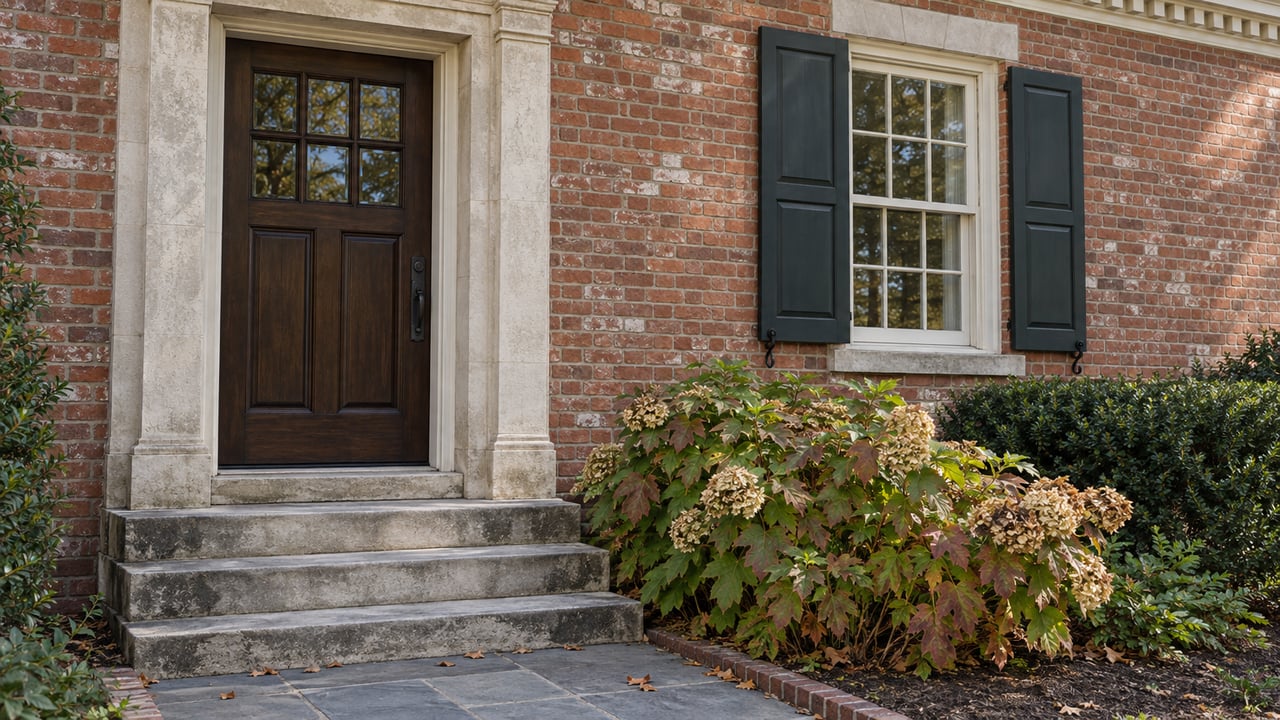
The middle of the market is Madison's signature product: prewar and Victorian homes within walking distance of downtown and the train platform, clustering in the $1.0 million to $1.4 million range. This is where most of Madison's actual sale volume concentrates, and it's the segment that behaves most like a normal, liquid housing market, with homes typically moving in the range of three to four weeks.
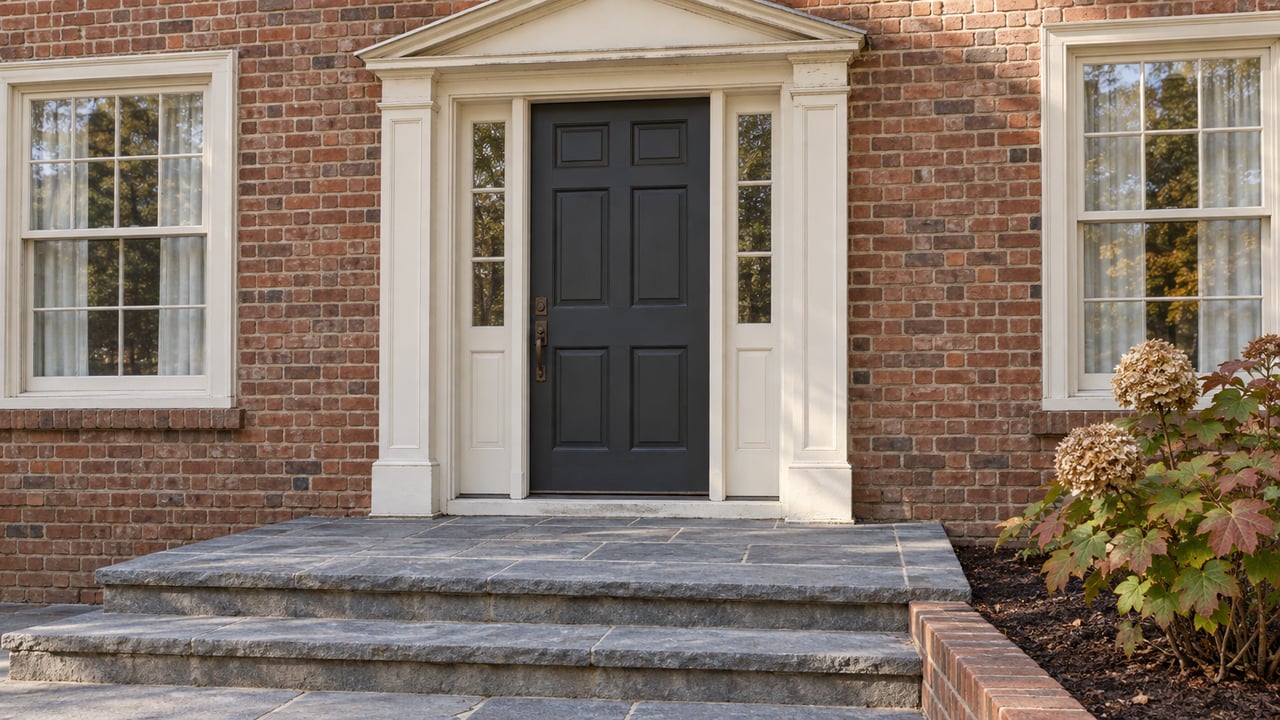
At the top sits the new-construction tier, concentrated in a few named neighborhoods that come up again and again in local listings. The Hill Section, one of Madison's oldest residential areas with homes dating back to the 1800s and streets winding past ponds near the Madison Golf Club, has become a center of teardown and rebuild activity, with finished new construction there commonly priced from roughly $1.6 million past $3.5 million. Dellwood, known for its grand colonials near Dellwood Pond, frequently sees listings clear above the $1 million mark. Knollwood, sitting north of the rail line and within walking distance of the community pool and Memorial Park, has become the more attainable entry point into new construction, popular with young families looking for a newer build without the Hill Section price tag.
These three tiers don't move on the same physics. A strong month in the entry tier and a single Hill Section closing can produce a town-wide median that describes none of the three markets accurately.
What This Means If You're Comparing Towns
If you're cross-shopping Madison against Chatham, Summit, or Florham Park using headline median prices from different websites, you're not comparing towns. You're comparing whichever slice of each town's inventory happened to close during whatever window each site chose to measure.
The more useful question isn't "what's Madison's median price?" It's "what segment am I actually shopping in, and what does that segment's activity look like right now?" A buyer competing for a cape in the high $700,000s is dealing with tight inventory and fast timelines. A buyer looking at a Hill Section rebuild is dealing with a market where there might be only one or two comparable homes trading in a given season, and where negotiating room looks completely different than it does for a resale colonial three streets away.
Sellers face a version of the same problem. Pricing a prewar colonial in Dellwood against a Zillow estimate built primarily from town-wide averages can leave real money on the table, and pricing it against a median that's been pulled upward by a recent Hill Section teardown sale can set expectations no ordinary resale buyer is going to meet.
Frequently Asked Questions
Is Madison's housing market currently a buyer's market or a seller's market? Trailing measures point toward continued seller-favorable conditions across most of Madison's price tiers, with typical homes moving in a matter of weeks rather than months. That said, conditions differ meaningfully between the entry tier, the prewar core, and the thin new-construction segment, so the honest answer depends on which slice of the market you're in.
Why do different real estate websites show different median prices for the same town? Because they're measuring different things over different windows. Some sites model the value of the entire housing stock, whether or not it's for sale. Others report only the sale prices of homes that closed in a specific trailing period. In a town with roughly a hundred and thirty to a hundred and sixty closings a year, that distinction can produce headline numbers that differ by hundreds of thousands of dollars without either one being wrong.
What does new construction typically cost in Madison? Based on currently listed and recently sold new-construction homes, pricing spans from around $850,000 for smaller new builds to well above $3 million for larger custom homes in neighborhoods like the Hill Section. Buyers considering new construction should confirm the builder's enrollment in New Jersey's ten-year statutory new-home warranty and review the punch-list process in writing before closing.
If you're trying to figure out which of Madison's three markets your search actually belongs to, or you want a home value read that's segmented to your specific block instead of averaged across the whole borough, Best Jersey Burbs can walk you through the comparables that actually apply to your situation. Schedule your free consultation and get a number you can trust.